
Notifications 13
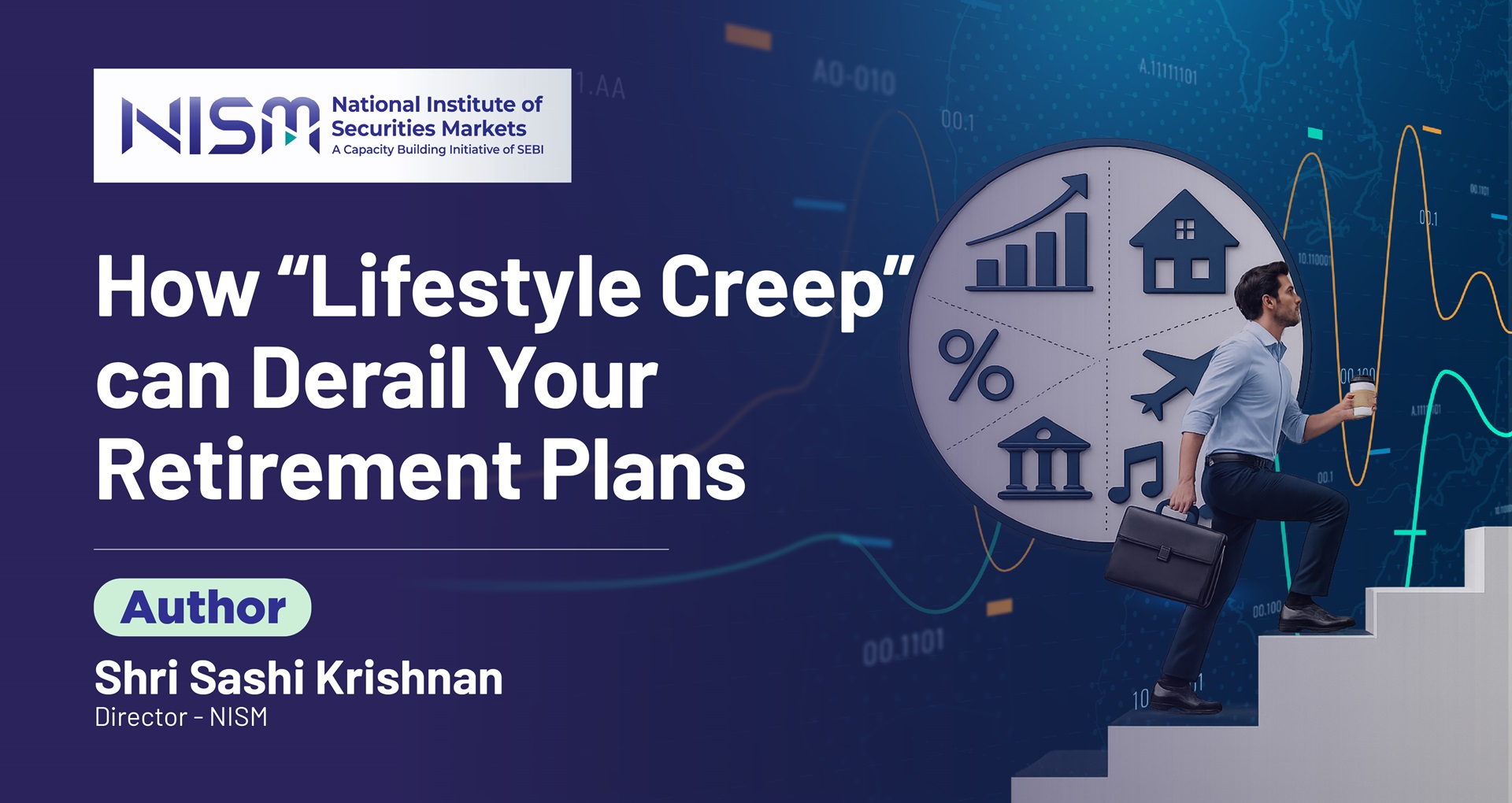
Most retirement plans do not fail because of one bad decision. They erode because of a hundred reasonable ones.
Lifestyle creep, the slow upward drift of spending as income rises, is rarely a story of extravagance. The people it affects most are usually doing everything right. They earn well, invest consistently, and meet their savings targets year after year. Nothing in their spending looks reckless, and nothing in their portfolio looks fragile. That is exactly what makes it hard to see.
When income is high, and savings goals are being met, an increase in spending rarely feels dangerous. In isolation, it isn’t. An annual holiday abroad. A larger home in a better location. A more expensive car. Each is a defensible decision made by a competent person with the money to make it.
The problem is that they are neither isolated nor temporary. They are small, permanent resets of what “normal” means. You do not experience them as expenditure. You experience them as your life. And once something has become your life, it stops being reviewed. Nobody sits down at the end of the year to ask whether the car you upgraded to was worth it. Slowly, your baseline spending ratchets upward while the mental model of your savings and investment stays where it was.
The biggest impact will be on your retirement income. A retirement corpus is anchored to the lifestyle you intend to continue, not the one you had when you drew up the plan. A permanent increase of, say, ₹1.5 lakh a month in living costs requires much more than ₹1.5 lakh in savings. Even assuming a conservative withdrawal rate, it requires several crores more in capital. When spending has crept up, a drawdown forces withdrawals from a shrunken portfolio at exactly the wrong moment, or a sharp cut in living standards at exactly the moment you have least appetite for one. Sequence-of-returns risk is not purely a market phenomenon; it is a function of how much you must pull out while prices are down.
The reason why lifestyle creep goes unnoticed is that nothing feels out of control. The savings rate may still look respectable in absolute terms. The SIPs are running. The portfolio is growing. However, the ratio between what you spend and your investment corpus is never on your radar. By the time it surfaces, the changes are difficult to reverse because any downgrade in your lifestyle feels like failure. Much of it is structurally locked in – a larger home means higher maintenance charges and property tax. Choosing a prestigious school means a decade of commitment.
To ensure that lifestyle creep does not erode your retirement savings, three habits can help. First, track your savings rate, not your savings amount. A rising rupee figure can conceal a falling percentage. Second, price the lifestyle, not the purchase. Before a permanent upgrade, convert the monthly figure into the capital it implies. Third, pre-commit your salary raises. Decide what share will be invested and what share will go to upgrade your lifestyle.
The answer to lifestyle creep is not austerity. The answer is to act on it intelligently.
Last Updated on: September 28, 2026 The Indian corporate bond market has grown from ₹17.5 lakh crore at the end…

Last Updated on: September 3, 2026 The minds inside a derivatives account SEBI’s Department of Economic and Policy Analysis has…

A Yen Rescue Dressed in Euros Washington’s intervention was ingenious in its plumbing and silent on the flows that matter…
© 2026 National Institute of Securities Markets (NISM). All rights reserved.
