
Notifications 7
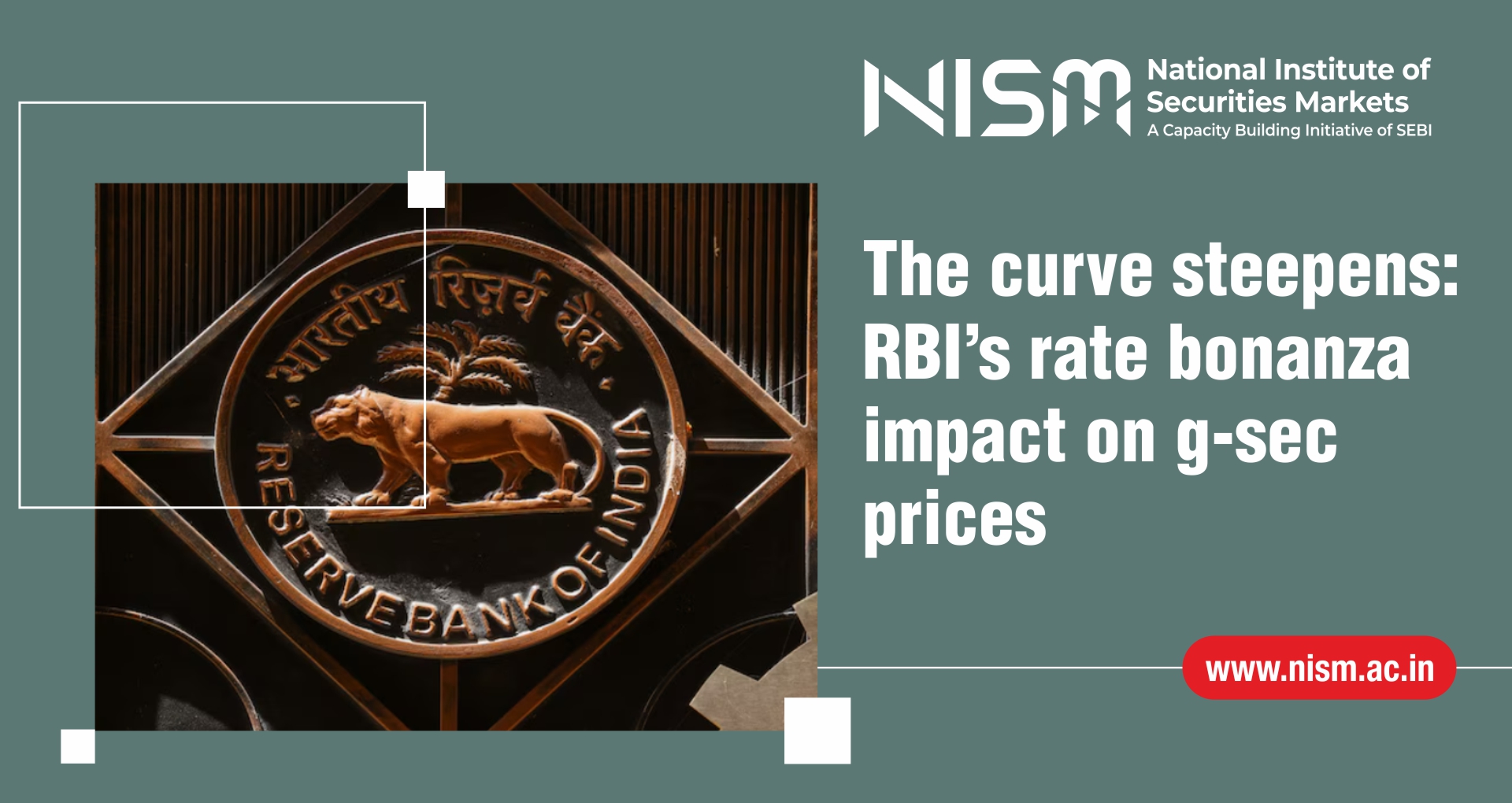
Under the Chairmanship of Shri Sanjay Malhotra, the RBI MPC (Monetary Policy Committee) delivered a higher than expected 50 bps cut in the policy repo rate from 6% to 5.50% at conclusion of its meeting on June 6th 2025. The last time RBI cut rates by 50 bps was about 10 years back in Sept 2015 (from 7.25% to 6.75%). This recent 50 bps cut is the most significant reduction since the emergency easing of 75 bps during the COVID-19 pandemic in March 2020. Five out of six members voted in favour of 50bps cut in policy repo rate while one member voted for a 25bps cut
The key reasons for the cut were to boost private consumption and investment. And RBI decided to frontload the rate cut given the significant softening in inflation over past six months and lower than expected growth conditions. The domestic GDP growth projections maybe impacted by uncertain global growth outlook and weak sentiments in backdrop of tariff disputes, weather uncertainties and geopolitical tensions. While real GDP growth for Fy 25-26 is projected at 6.5%, CPI for same period is projected at 3.7%.
And that was not all. RBI also decided to cut the CRR (Cash Reserve Ratio) by 100bps in 4 tranches of 25bps each (with effect from the 4 weeks beginning September 6, October 4, November 1 and November 29, 2025). This is expected to release extra liquidity of Rs 2.5 lakh crores by December 2025 into the banking system.
And to top it all given all this frontloading rate action, RBI decided to change its monetary policy stance from “accommodative” to “neutral”. The RBI Governor indicated that the space for future rate cuts is quite limited. This probably was the disappointing factor for the g sec traders at the long end considering that 25 bps cut was already factored in.
The market was expecting a 25 bps rate cut but all the above rate action alongwith the change in stance led to volatility in gsec (government security) prices post the RBI announcement on June 6th. Initially prices rose (and yields fell), however towards the end of day there was a selloff and the 10 yr benchmark gsec yield ended at 6.29%, 5 bps higher than the previous day close of 6.24%. The 15 yr benchmark gsec ended at 6.50%, 9 bps higher than previous day close. On the other hand, the 5 yr benchmark gsec ended at 5.82%, 2 bps lower than the previous day close of 5.84%.
This is thus clear evidence of steepening of the yield curve with the long end yields having gone up and the short end of the yield curve softening at the margin. The short end gsec prices would also be impacted positively by the liquidity infusion through the CRR cut which would come in the months ahead.
We are just a day in post the Monetary policy. The overall environment remains conducive for gsec prices to go higher. However most of the good news of the rate cuts may already be factored in.

Net Zero Goal Meaning In the Paris Agreement at the Conference of Parties (COP-21), the world discussed the worsening effects…
Financial Literacy – Your Most Powerful (and Missing) Life Skill By 2035, Gen Z will have a 50% share in…

The Union Budget 2026, presented by Finance Minister Nirmala Sitharaman, marks a watershed moment in India’s economic narrative. Dubbed the…
© 2026 National Institute of Securities Markets (NISM). All rights reserved.
